


Mazda advances microalgae-based biodiesel towards practical use
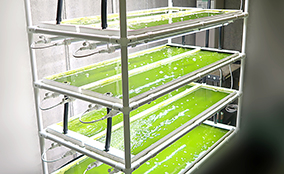
Japanese automotive manufacturer Mazda Motor Corporation’s research project, “Development of High-Density Microalgal Biofuel”, has been selected for Japan’s FY2026 Program to Develop and Promote the Commercialisation of Energy Conservation Technologies to Realise a Decarbonised Society, administered by the New Energy and Industrial Technology Development Organisation (NEDO). The project aims to develop biodiesel fuel, HVO (hydrotreated vegetable oil) – a renewable diesel fuel produced from feedstocks such as used cooking oil and vegetable oil – from lipids extracted from microalgae for practical use.
Mazda will build on its research into microalgae, which can produce lipids efficiently in limited spaces with minimal risk of competing with food crops or contributing to deforestation. The research will cover the process from cultivation to lipid extraction, while Idemitsu Kosan Co, Ltd will collaborate with Mazda to study fuel production using the extracted lipids. Mazda aims to begin using the fuel as factory-fill fuel for all diesel vehicles built at its plants in Japan in the early 2030s.
Mazda has researched microalgae-derived fuels since the 2010s through joint studies with academic institutions and cultivation trials at its plants. The company has developed technology for efficient lipid production and demonstrated that it can produce more than one litre of fuel in about two weeks using a 1,000-litre culture tank. It considers microalgae-derived fuel a promising liquid fuel for achieving carbon neutrality and will continue research and development towards practical application.
Takeji Kojima, Mazda’s director, corporate leadership executive officer and chief strategy officer, said the project supports the company’s multi-solution strategy and its efforts with industry and government partners to build a regionally based circular energy society. He said wider adoption of microalgae-derived HVO could improve domestic energy self-sufficiency, promote sustainable regional development and strengthen industrial competitiveness.