


Veolia opens French plant to recover metals from used EV batteries
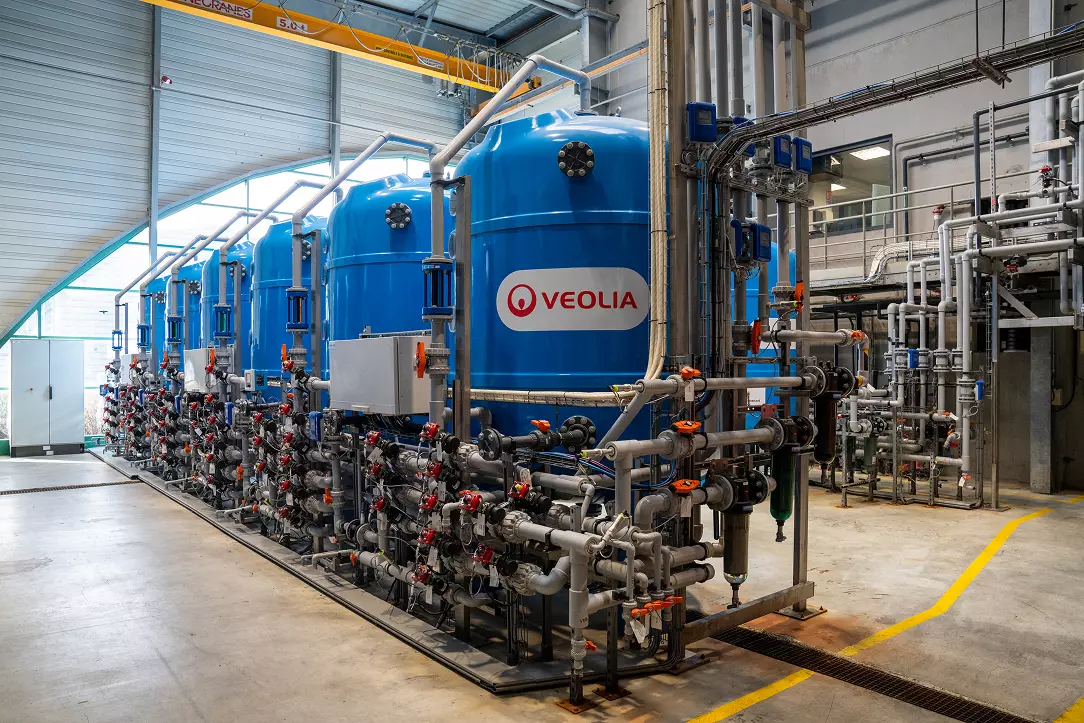
Veolia says it is paving the way with a groundbreaking project to reclaim strategic metals by launching a pioneering initiative in the Grand Est region (France), where it will recover metals such as nickel and cobalt from EV batteries. It says it has a technology that enables the recovery of more than 90% of the cobalt, nickel, and copper contained in the black mass resulting from battery shredding.
The metals are a major issue of competitiveness for Europe, which is aiming to reduce its dependence on imports and to stop its valuable resources from being shipped abroad. Today, extra-European competition is driving a massive export of black mass to Asia. Yet within five years, nearly 700,000 tonnes of batteries are expected to be recycled in Europe, representing more than EUR1 billion worth of recoverable metals.
Guided by this vision, Veolia has brought to life this first European project equipped with proprietary hydrometallurgy technologies to process black mass flows from Europe (from France, the UK and Switzerland to date). The innovative process makes it possible to dismantle batteries, efficiently separate the black mass and, ultimately, extract cobalt, nickel and copper from it.
These metals are then redistributed to the European automotive, construction and defence markets. Each year, the site will be able to recycle nearly 7,000 tonnes of black mass, the equivalent of 20,000 tonnes of batteries.
Pioneering in this field, Veolia adds it is steadfastly pursuing its efforts to build a European battery recycling value chain. Several projects dedicated to battery dismantling, complementary to the processing activities of this state-of-the-art facility located downstream in the value chain, are currently being deployed in the UK, Belgium and Slovenia.
Europe’s backing is vital to securing a domestic supply of strategic metals. It is also essential for building a circular industrial model, by supporting the establishment of facilities that can reintegrate recycled metals, it further states.


