


PCBL obtains approval for acetylene black production
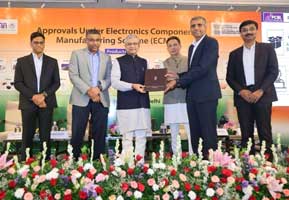
India’s PCBL Chemical has secured approval from the government’s Electronics Components Manufacturing Scheme for the production of acetylene black. The project covers a planned investment of about ₹329 crore and centres on a material that sits at the intersection of batteries, electronics and industrial manufacturing. Acetylene black is used as a conductive additive in lithium-ion batteries and in several other applications where electrical conductivity and material performance matter.
The significance of the project goes beyond a single manufacturing line. Conductive materials such as acetylene black are increasingly important as India pushes to localise more of the value chain around electric mobility, energy storage and advanced industrial inputs. By backing domestic capacity in this segment, the approval aligns with a broader policy push to reduce dependence on imports in strategic components and materials.
For manufacturers, the appeal is straightforward. A local source of a critical conductive material can help reduce lead times, improve supply resilience and lower exposure to overseas price swings. For policymakers, projects in this category support the longer-term goal of building an ecosystem that can serve both domestic demand and export opportunities.
The Electronics Components Manufacturing Scheme is designed to encourage investment in India’s electronics supply chain, and approvals under the programme are often watched closely by investors and industry participants for clues on where the government sees industrial momentum building. In this case, the clearance gives PCBL Chemical a policy-backed route into a niche but strategically relevant segment of the advanced materials market.
Although lithium-ion batteries are the most visible end-use, acetylene black has wider industrial relevance. It is used where conductivity, dispersion and performance consistency are critical.


