


Shell/Fraunhofer/AVL to develop solid oxide tech for CO2-based SAF
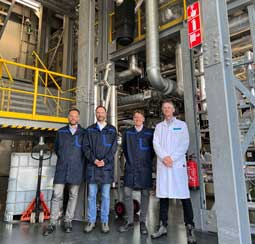
Shell Global Solutions International B.V., Fraunhofer IKTS and AVL are joining forces on a programme designed to develop a next-generation power-to-liquids (PTL) process based on solid oxide co-electrolysis technology for the production of synthetic aviation fuel (e-SAF) from CO2 and low-carbon electricity.
The collaboration will last four years and deliver an integrated pilot-scale test programme at Shell’s Energy Transition Campus Amsterdam (ETCA), bringing together high-temperature co-electrolysis using solid oxide electrolysis cells (SOEC), advanced membrane-based separation, Fischer–Tropsch (FT) synthesis and off-gas utilisation. The parties expect this research will help make future e-SAF production more efficient and affordable than currently available PTL technologies.
The aviation industry is expected to rely increasingly on e-SAF to lower dependency on fossil resources and reduce lifecycle greenhouse gas emissions. Growing the required e-SAF industry will require both deployment of currently available PTL technologies and ongoing innovation to further enhance performance and improve affordability.
Shell contributes to the programme with its Shell XTL Process, which builds on decades of experience in the gas-to-liquids (GTL) process, while the Fraunhofer Institute for Ceramic Technologies and Systems IKTS supplies its advanced solid oxide co-electrolysis technology and AVL provides electrolysis systems engineering capabilities. Together, the parties aim to bridge the critical gap between laboratory innovation and commercially deployable technology.
The pilot-scale test programme will combine a 24-kW SOEC electrolyser configured for co-electrolysis with Shell’s existing FT pilot plant, which also supported the commercialisation of Shell’s GTL process. The test programme is expected to conclude by the end of the decade, with commercial deployment by industry anticipated during the following decade. The programme is supported by the Dutch government through the DEI Energy Innovation scheme (DEI1250051), recognising its potential to advance next-generation e-SAF technologies.
HP Calis, General Manager GTL/XTL Technology at Shell, emphasised: “The next-generation PTL technology has the potential to make e-SAF more accessible and affordable. By bringing together complementary expertise from Shell, Fraunhofer IKTS and AVL, this programme allows us to rigorously de-risk and optimise the technology.”
Dr. Ing. Erik Reichelt, Group Manager Process Systems Engineering at Fraunhofer IKTS, added: “High-temperature co-electrolysis has the potential to improve the efficiency of e-SAF production. Through this collaboration, we are excited to see our solid oxide electrolysis technology integrated into a complete PTL process and validated under realistic operating conditions.”
Juergen Rechberger, VP Hydrogen & Energy at AVL, stated: “Unlocking the full potential of high-temperature electrolysis requires translating promising technologies into reliable, scalable system performance. Through our expertise in electrolysis systems engineering and system integration, we are helping the transition from technology development to industrial application of next-generation e-SAF solutions.”


