



Oil, gas prices spike as Iran conflict disrupts Gulf exports
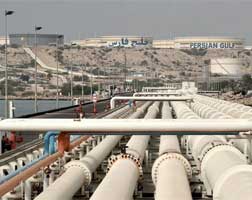
Global oil and gas prices rose sharply on Tuesday as the US-Israeli conflict with Iran disrupted energy exports across the Middle East, halting shipping routes and forcing production cuts from Qatar to Iraq, according to Reuters.
Brent crude settled up US$3.66 or 4.7%, at US$81.40/barrel, its highest close since January 2025. European gas prices surged by as much as 40% before easing, adding to a similar jump the previous day.
The conflict threatens to fuel inflation in Europe and Asia if prolonged. The Middle East accounts for just under a third of global oil production and nearly a fifth of natural gas output. Rising fuel costs could also create political strain for US President Donald Trump and his Republican Party ahead of November’s midterm elections.
According to reports, Trump said the US Navy could escort oil tankers through the Strait of Hormuz if required. He added that he had instructed the US International Development Finance Corporation to provide political risk insurance and financial guarantees for maritime trade in the Gulf, describing it as part of efforts to contain rising energy prices.
Iraq, the second-largest producer in OPEC, may be forced to cut output by more than three million barrels/day within days if tankers cannot reach loading points, according to two Iraqi oil officials. They said production at the Rumaila field had already been reduced by 700,000 barrels/day and output at West Qurna 2 had been cut by 460,000 barrels/day.
Shipping traffic through the Strait of Hormuz has been effectively closed for a fourth day after Iran attacked five vessels. The waterway carries around 20 percent of global oil and liquefied natural gas supplies. Data from Vortexa showed crude tanker transits fell to four vessels on March 1, compared with an average of 24 per day since January. Three of the four were Iran-flagged.
Hundreds of tankers loaded with oil and LNG remain stranded near major hubs including Fujairah in the United Arab Emirates, unable to reach customers in Asia and Europe.
Some firms are seeking alternative routes. Saudi Aramco is attempting to reroute crude to its Red Sea port of Yanbu. However, buyers, traders and analysts said its east-west pipeline has limited capacity and could become a target for attacks by Iran’s allies.
On Tuesday, a fuel tank at Oman’s Duqm port was struck by a drone and a fire broke out in Fujairah, slowing refuelling operations and potentially shifting demand to other ports including Singapore.
On Monday, Qatar shut its liquefied natural gas (LNG) facilities, which account for around 20 percent of global LNG exports. Saudi Arabia suspended operations at its largest domestic refinery, while Israel and Iraq’s Kurdistan region halted parts of their oil and gas output.
In Asia, Chinese refiners began shutting units in response to supply disruptions. India, heavily reliant on Middle Eastern energy, started rationing gas supplies to industry after Qatar halted production, according to government officials.
In the US, petrol prices rose above three dollars per gallon for the first time since November, weeks after Trump said prices had fallen to two dollars. Rising pump prices pose a political risk for Republicans ahead of the midterms.
Shipping rates have climbed to record highs as attacks on vessels intensified. Western security analysts are assessing how many missiles and drones Iran retains to sustain its campaign. Saudi Arabia, the United Arab Emirates, Oman and Kuwait have intercepted most incoming projectiles targeting energy infrastructure so far, but concerns are growing over the durability of their defensive stockpiles.
Source: Reuters


